Ultimate Grocery Shopping Guide 2026: Simple Tips to Save Money, Eat Healthier, and Shop Smarter
Grocery shopping hasn’t changed much in the basics—tempting aisles, confusing labels, and the constant pull toward processed foods—but tools like delivery services have made it easier to stay focused on real, nutrient-dense foods. Whether you’re walking the store perimeter or using something like Walmart+ for occasional free delivery convenience (on orders $35+, same low prices), the goal remains the same: shop smarter, prioritize whole foods, and come home with exactly what fuels your body best.
These updated tips build on what worked back in 2018 and help you win every trip. Check that blog here.
Your GAME PLAN for Grocery Shopping
- Meal Plan First
Map out 7 days of meals and snacks: breakfasts, lunches, dinners, plus a few grab-and-go options. List everything—proteins, veggies, fats, staples, and minimal extras. A strict list is your best defense against impulse buys. Check out my Meal Planning Sunday blog post for more ideas! - Shop the Perimeter (Mostly)
Stick to the outer edges where fresh produce, meats, dairy, and eggs live. Dip into center aisles only for oils, spices, nuts, or frozen veggies. This keeps you in real-food territory and away from the sugary, processed traps. - Go In Prepared
Never shop hungry—eat a balanced snack (protein + fat + carb) beforehand. Use the store app or a simple note on your phone to check prices and deals ahead. If life gets busy, delivery options (like Walmart+ free same-day on qualifying orders) can help skip crowds and stick to your list effortlessly.
Break It Down by Category
Focus on quality over quantity: real proteins, healthy fats, nutrient-rich carbs, and thoughtful extras.
Proteins (Build strength and keep you full)
- Grass-fed beef, pasture-raised chicken or turkey
- Eggs (pasture-raised when possible)
- Wild-caught fish like salmon, sardines, or tuna
- Nitrate-free bacon or sausage
- Seafood: shrimp, scallops, oysters
Buy in bulk and freeze portions to save money and reduce trips.
Healthy Fats (For brain health, hormone balance, and satisfaction)
- Avocados (whole and oil)
- Grass-fed butter or ghee
- Extra-virgin olive oil, unrefined coconut oil
- Full-fat coconut milk/products
- Olives, nuts, seeds
Skip seed oils (canola, vegetable, soybean)—they’re everywhere but not worth it.
Carbohydrates (Real sources for steady energy and vitamins)
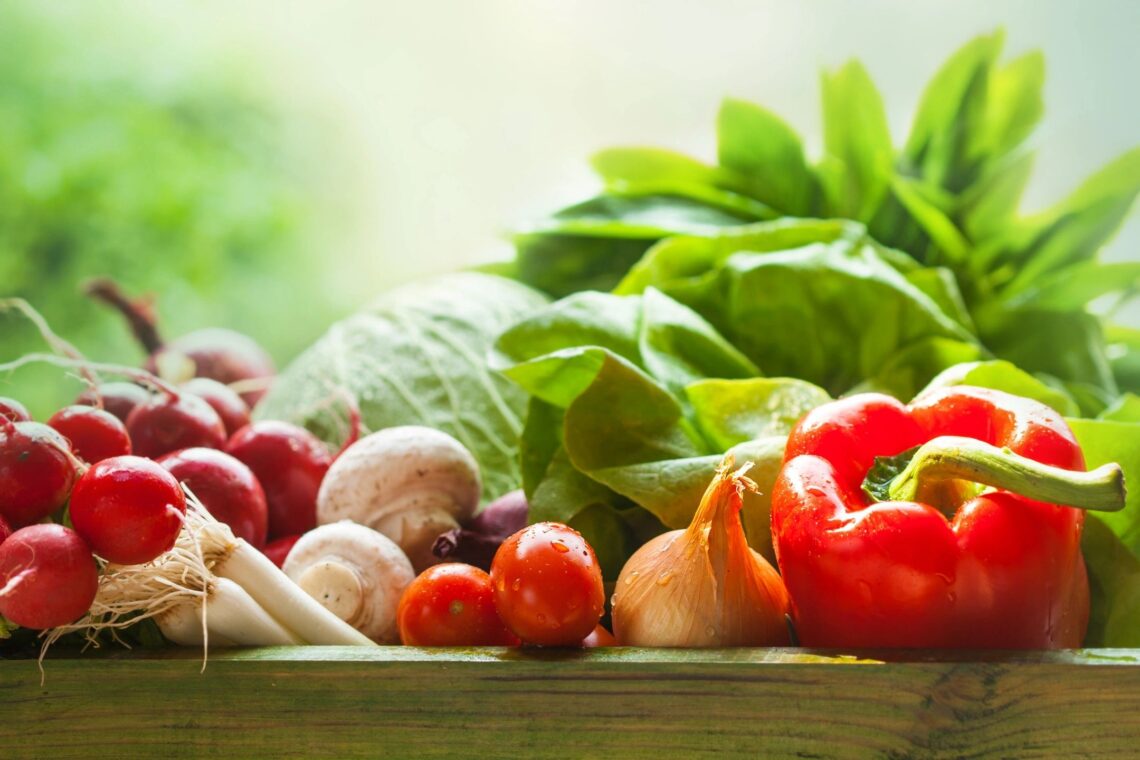
- Non-starchy veggies: broccoli, spinach, kale, zucchini, cauliflower, peppers, asparagus, Brussels sprouts
- Starchy roots: sweet potatoes, beets, carrots, squash
- Fruits: berries (fresh or frozen), berries, apples, bananas, citrus
Spend the most time (and budget) here—produce is your powerhouse.
Extras (Flavor, gut health, and smart treats)
- Herbs & spices: fresh or dried for big flavor without sugar/salt overload
- Beverages: coffee, tea, sparkling water (add lemon/lime)
- Fermented: sauerkraut, kimchi, kombucha (low-sugar)
- Snacks: pair protein + fat + carb (e.g., apple slices with nut butter, hard-boiled eggs with veggies)
More Practical Tips to Win Every Time
- Read labels only when needed—aim for few ingredients, recognizable ones.
- Buy seasonal produce for best price and flavor.
- Stock non-perishables (nuts, olive oil, spices) in bulk to cut costs.
- If temptation hits in-store, delivery can be a lifesaver—order your list online, get it brought to you, and avoid the extra aisles entirely.
- Always end with gratitude: You’re choosing foods that nourish, not just fill.
Grocery shopping is about fueling your life, not fighting it. With planning and these simple habits, you can save money, eat cleaner, and feel energized.
What’s one tip you’re trying this week? Drop it in the comments—I’d love to hear!



Kristin McConnell
Hi!! I’m Kristin, the heart behind Live Simply with Kristin. As newly empty-nest empty nesters, Ryan and I sold it all and live full-time in our cozy camper—trading big house stress for simple joys, freedom, and adventures together. Here, I share wholesome recipes that fit tiny spaces, fitness tips to stay strong on the go, small-space living hacks, and the beauty of intentional, less-is-more living. Grateful you're along for the ride—let's keep it simple and joyful! 🩷 ✝️